Author: Guy Armitage

  • Maria Balshaw CBE

    Maria Balshaw CBE

    Former Director Tate (2017-2026)

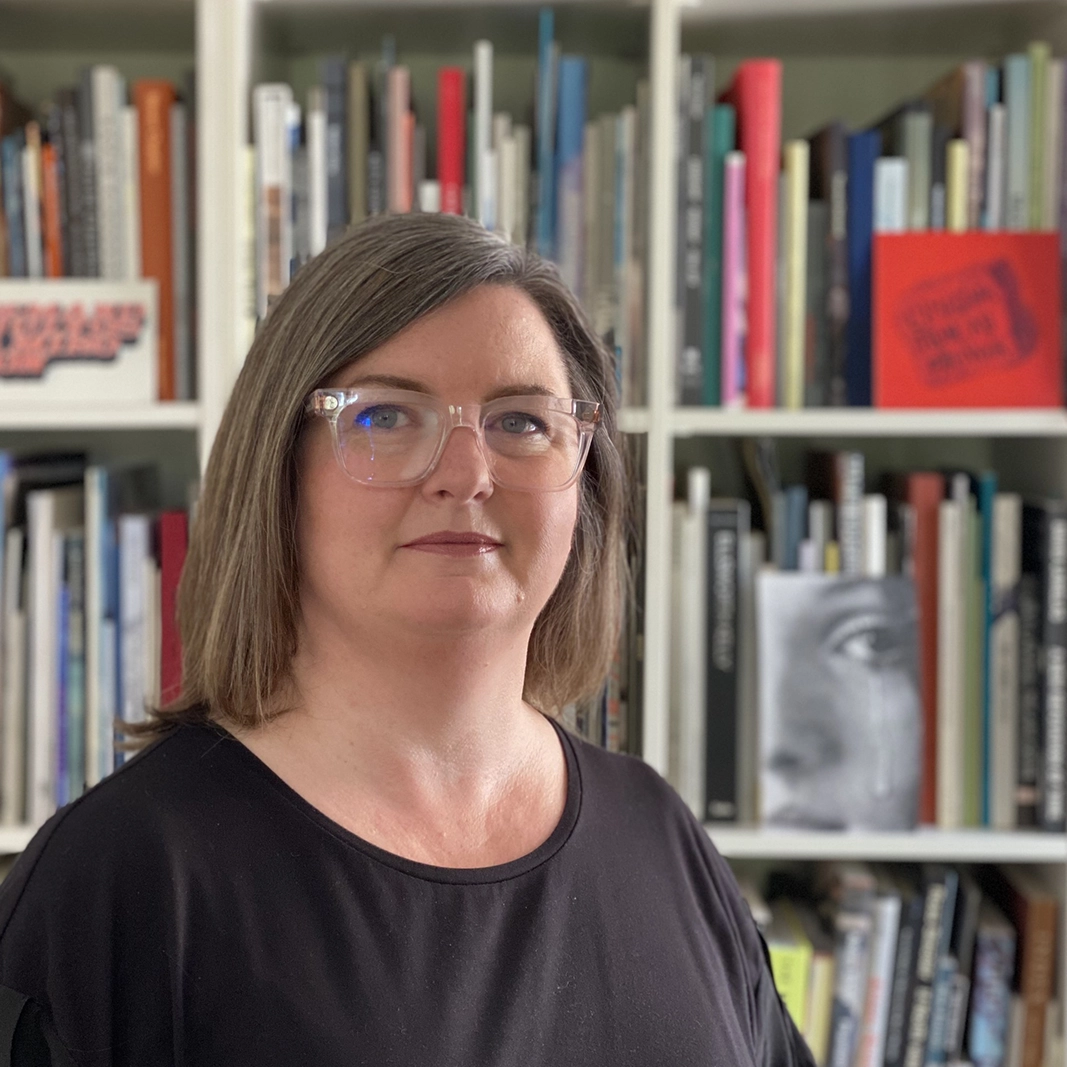
    Maria Balshaw is a museum leader, curator and writer. As Director of Tate from 2017 to 2026, she helped engage broader audiences with a programme based on artistic boldness, inclusivity and equity. Her final exhibition at Tate, Tracey Emin: A Second Life, is one of the most successful contemporary art shows in Tate’s history.

    Before joining Tate, Balshaw was Director of the Whitworth, University of Manchester; Director of Manchester City Galleries; and Director of Culture for Manchester City Council. She was a lecturer and research fellow at the University of Birmingham (1997-2002) and the University of Northampton (1993-1997).

    Maria holds a Masters and DPhil from the University of Sussex. In 2015, she was awarded a CBE for services to the arts. She is the author of many books and articles, most recently Gathering of Strangers: Why Museums Matter (Tate, 2024).

  • Pita Arreola

    Pita Arreola

    Curator arebyte

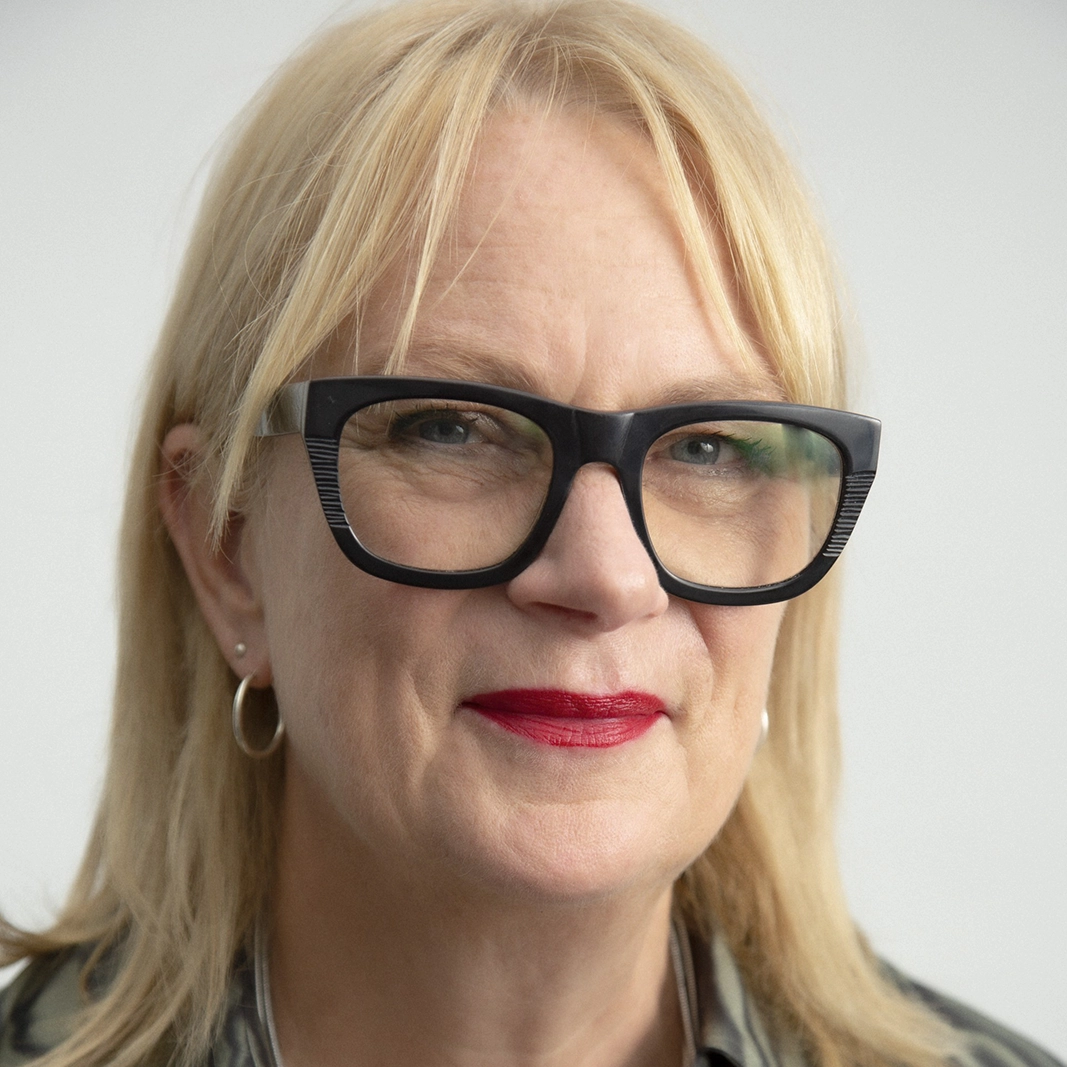
    Pita Arreola is Head of Programmes at arebyte, leading the organisation’s artistic programme. With fifteen years of experience in the arts, she has worked closely with creatives to develop experimental projects that critically examine the social and cultural impact of emerging technologies.

    Based in London, she is also the Co-Founder of Off Site Project, a curatorial platform supporting new media talent. Since 2017, Pita has collaborated with over 200 artists from across the globe, and from 2021 to 2024 she served as Curator of Digital Art at the Victoria and Albert Museum. She is co-editor of Digital Art: 1960s–Now (V&A, Thames & Hudson, 2024), a book tracing the histories and evolution of digital arts.

  • Alayo Akinkugbe

    Alayo Akinkugbe

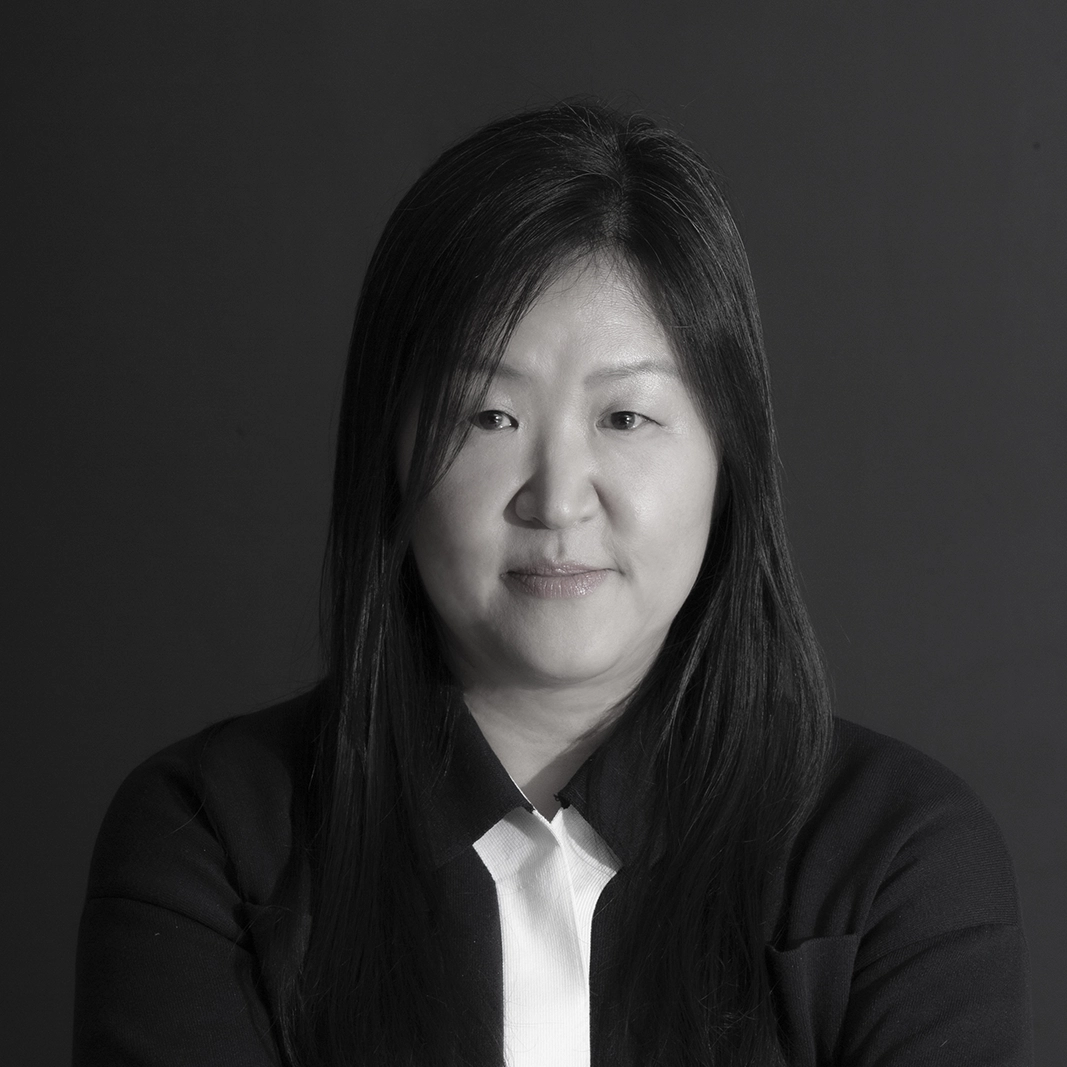
    Alayo Akinkugbe is an independent writer and curator. She is the author of Reframing Blackness (published by #Merky Books in 2025) and the founder of A Black History of Art, a platform highlighting Black artists, sitters, curators and thinkers from art history and the present day.

    She is also the host of the A Shared Gaze podcast. Akinkugbe has worked with institutions and contributed to publications internationally, including serving on the advisory panel for African Artists: From 1882 to Now (Phaidon, 2021), and receiving a curatorial research grant from the Paul Mellon Centre for the Royal Academy of Arts exhibition Entangled Pasts: Art, Colonialism and Change.

    Her writing has appeared in publications such as AnOther Magazine, Dazed, Tate Etc. and The World of Interiors.

  • How winners will be selected

    How winners will be selected

    The Artist Prize is open to every UK artist, every medium, every background. Here’s exactly how winners are selected.

    Overview

    The process runs in four stages: a qualifying round, a national selection by curators across the UK, a shortlist review by the final panel, and an in-person final at Firstsite.

    An internal review removes incomplete or ineligible submissions. This ensures every judge’s time is spent on work that meets the basic requirements of the prize.

    A network of curators from across the UK scores submissions online. Using curators nationwide, rather than a single panel, means the longlist reflects the true breadth of UK artistic practice, not just what’s visible from a handful of institutions.

    We expect around 5,000 entries. Every submission receives a score from at least three independent curators. This is our solution to subjectivity: a work that doesn’t resonate with one judge may be exactly what another has spent their career championing.

    The 200 highest-scoring entries progress to the Shortlist Selection.

    The final panel reviews all 200 longlisted entries online. At this stage, a smaller group of specialists brings depth of expertise to a more focused selection.

    The 20 highest-scoring entries will be exhibited at Firstsite.

    The winner of the £30,000 prize is selected in person by the final panel during the group exhibition at Firstsite. This ensures the work has been seen, experienced and assessed in the room – not just on a screen.

    Categories

    Every work must be submitted to one of the following categories:

    • Painting & Drawing
    • Photography & Printmaking
    • Sculpture & Installation
    • Digital, Video & New Media
    • Performance
    • Mixed Media
    • Interdisciplinary & Other

    Categories ensure work is seen by the most relevant curators in the National Selection round, giving equal weight to every discipline. Once entries reach the Shortlist Selection, categories become less relevant — at that stage, breadth comes from the diversity of the final panel’s expertise rather than how work is grouped.

    If your practice doesn’t fit neatly into a single category, choose the one that best reflects the work you’re submitting. Interdisciplinary & Other is a genuine category, not a fallback.

    Criteria

    Work is judged against three criteria. These are deliberately medium-agnostic. They apply equally to a painting, a performance, or a digital installation. Each carries the same weight.

    Execution 

    How effectively have you realised your work? Consider craft, technical skill, and whether the work achieves what it sets out to do (recognising that “well-executed” looks different for a performance, a painting, or a participatory project).

    Concept  

    The depth and clarity of the artistic idea. Consider intellectual rigour, emotional resonance, and how fully the concept has been developed.

    Impact   

    The work’s power and significance. Does it create something greater than the sum of its parts? Does it feel urgent, relevant, or culturally important right now?

    Scores are combined across all judges for each entry and averaged to produce a final ranking within each category.

    On digital submissions

    For the vast majority of the process, work is assessed digitally — the only way to ensure submissions can be seen no matter where they come from in the UK. We’ve designed our submission requirements to give judges as fair a representation of your work as possible on screen.

    If your work is selected for the exhibition, we’ll be in touch with everything you need to know about presenting it at Firstsite.

    On using AI

    We ask all entrants to disclose whether AI has been used in the generation of their work. This is not a disqualifying factor – it is a question of transparency.

    The Artist Prize celebrates artistic intent, craft and concept. Work that uses AI as a tool, in the same way an artist might use any other medium or technology, is eligible. What we’re interested in is the thinking, decision-making and vision behind the work, not the tools used to realise it.

    If AI has played a role in your work, tell us how and why. That context is part of the work.

    Feedback

    We would love to find a way to get feedback to you. Due to the volume of entries we receive, we won’t be able to provide individual feedback on submissions at any stage of the process.

    What we will do is publish an impact report after the prize closes, sharing aggregated data and insights about what we received. We hope this gives the sector and individual artists, something genuinely valuable in return.

  • Why we charge a fee

    Why we charge a fee

    Choosing to charge a fee is not an easy decision. We are fully aware that any cost creates a barrier to entry for some of the communities we were built to serve.

    The Artist Prize is a £30,000 open art prize. Any UK-based artist can enter, regardless of connections, gallery representation, or background. Entry starts at £10. We know that for some of the artists we most want to reach, even that is a real cost. This article explains our thinking.

    Why we charge at all

    Firstsite and Zealous have each committed £15,000 to fund the prize money. That’s the £30,000 – but it doesn’t cover anything else.

    Running an open call of this scale requires exhibition space, curatorial coordination, a judging process involving curators from across the country, platform infrastructure, marketing, and months of administration. None of that is free, even when many of us have given our time for free bringing this prize to life.

    Without entry fees, The Artist Prize would be unsustainable after year one. We want to make a tangible long-term impact on the arts, and that requires enough capital to not just survive, but to grow.

    There’s also a bigger picture.

    Galleries like Firstsite exist to support artists and their communities. They run on stretched public funding that shrinks a little more each year. If we want these institutions to keep doing what they do – and to do more of it – we need models that help sustain them. Entry fees for The Artist Prize don’t just fund the prize. Over half goes directly to Firstsite to support their wider mission. The act of entering strengthens the institution that makes the prize possible.

    We didn’t want a prize that depends on grant cycles or corporate sponsors to survive. We wanted something that sustains itself year after year – and eventually seeds the model to other galleries so they can replicate it.

    Where the money goes

    For every £10 raised:

    £5.10 (51%) to support their mission as a publicly funded gallery and cover exhibition costs, curatorial coordination, and judging logistics. Firstsite is providing exhibition space for both the group show (20 shortlisted artists) and the winner’s solo show. Any profits go directly to supporting their programme, including initiatives like Holiday Fun, which provides children with free meals and access to art during the school holidays.

    £2.60 (26%) to cover basic overheads and build a fund for future prizes. This is what guarantees a Year 2, a Year 3, and eventually a network of prizes that could support thousands of artists annually. Any money raised through the prize is ring-fenced for the creative community – it doesn’t fund our company.

    £2.00 (20%) to HMRC. Some can be reclaimed by Firstsite & Zealous, but it leaves the fee before anyone touches it.

    30p payment processing. This keeps transactions secure and enables alternative payment methods for artists who need them.

    What we did to keep costs down

    The largest expense is time. Both teams at Firstsite and Zealous have given that freely – strategising, building, and running the prize without agencies or significant marketing spend.

    Firstsite is donating their space and everything that makes a show come to life – not once, but twice: the group show and the solo show.

    Zealous is donating the platform. The submission infrastructure, judging tools, candidate support, and data management that would normally cost an organisation thousands per year are contributed at no charge.

    We have chosen to pay our judges. Unpaid roles – however worthy – tend to draw from the same pool of people who can afford to give their time for free. Paying judges is how we ensure the people selecting the winners reflect the full breadth of UK artistic practice, not just those with the financial security to volunteer.

    The fee reflects what we can sustainably afford in year one. It isn’t where we want it to be, and increasing it is a stated goal as the prize grows. Judges who wish to support the prize can donate their fee back, but there is no expectation to do so.

    What will we do if we raise more than expected?

    It’s hard to model how many entries we’ll receive, and our prices reflect our best expectations.

    If we raise more than anticipated, every penny will be reinvested to support artists – either directly, or through the work Firstsite does.

    What do these costs cover?

    • All the administration and infrastructure to support your submission
    • Your work reviewed by curators from across the UK, scored against clear criteria
    • If shortlisted: shipping to and from Firstsite covered up to £500 (on receipt of quotes/invoices)
    • If you win: the £30,000 prize and support for your solo show

    On feedback: we understand how valuable it is. With thousands of submissions it would require hundreds of additional hours and push fees far higher than we’re comfortable with. It’s something we’re actively thinking about for future years.

    How we’re trying to create increased access

    Fees are only part of the picture. Here’s what else we’re doing.

    No nominations. No qualifications. No gatekeepers. Any UK-based artist, any career stage, any medium. Your work is judged on execution, concept, and impact — not on who you know.

    The pricing structure includes volume discounts so artists submitting more than one work pay less per entry.

    Shipping is covered for shortlisted artists. We know exhibition costs can be a second barrier after entry fees. The 20 shortlisted artists won’t pay to get their work to Firstsite.

    We’re actively pursuing sponsorship to fund free entries. If we secure it, that money goes directly to gifting places to artists – not to reducing costs elsewhere.

    Promo codes are available for artists who need them. Contact us and we’ll send you one. We won’t ask you to justify it. If you’re reaching out, we trust you need the support. These places are limited, so if you can afford the fee, please pay it. That way the codes go to the artists who need them most.

    How we set our fees

    Before we set a single price, we looked at what open submission prizes across the UK typically charge. For prizes with physical exhibitions and a comparable scale, fees generally range from £20 to £30 per entry.

    We used that as a ceiling, not a floor. Even at our latest, highest tier, we wanted to stay below what most artists would expect to pay elsewhere. That shaped all the pricing decisions we made.

    How much does it cost?

    1 entry2 entries3 entries
    Early Bird
    until 11 Jun 12:00 BST
    £10£18£24
    Standard
    until 2 July 12:00 BST
    £14£24£30
    Late
    until close
    £18£30£39

    Why this matters beyond one prize

    If The Artist Prize works, we’re publishing everything. The financial model, the judging process, what worked and what didn’t. Open source. Any gallery in the UK could take this and adapt it to their own context.

    That’s the long game. Not one prize getting bigger. Many institutions finding sustainable ways to support artists that work for their communities. We’re not there yet. But that’s the direction.

  • What to Submit & How

    What to Submit & How

    Whether you’ve been making work for decades or are just beginning to find your voice, The Artist Prize is for you. We believe that talent doesn’t come with a CV, a degree, or a single defining style. Here’s everything you need to know about submitting.


    Are You Eligible for the prize?

    Before you apply, check that you meet the following criteria:

    You must be based in the UK and aged 18 or over. Your work must have been created within the last 2 years. All mediums and all career stages are welcome, and there are no formal qualifications required.


    What to Submit

    You may submit one artwork per submission, in one of the following categories:

    Painting & Drawing, Photography & Printmaking, Sculpture & Installation, Digital, Video & New Media, Performance, Mixed Media & Other.

    Choose the category that best fits your work. If it sits between categories, Mixed Media & Other is there for you.


    How to Submit

    Submissions are made through Zealous. Create a free account and follow the steps to upload your work and complete your application.


    What You’ll Be Asked

    As part of your submission you’ll answer a series of questions. Those marked with an asterisk are mandatory.

    About your work:

    What or who inspired this work? How was the work made? Why is this work important to you? Have you used AI in the generation of your work?

    About you:

    How long you’ve been practising your craft, your age, your pronouns, your ethnic origin, whether you consider yourself disabled under the Equality Act 2010, what the main earner in your household did when you were a child, and how you heard about The Artist Prize.

    Optional:

    Your website, your Instagram handle, whether you currently earn an income from your craft and whether that has changed in the last year, what this prize would make possible for you that feels just out of reach right now, and anything else you’d like to add about being a creative in the UK.


    A Few Tips Before You Submit

    Give your answers space. Write honestly and in your own voice.

    Don’t overthink eligibility. No qualifications, no career milestone, no particular medium required. If you’re UK-based, 18 or over, with work made in the last two years, you’re in.

    One artwork per submission. Make it count – choose the piece that best represents where your practice is right now.

    Keep in mind the fee. Details about our fees can be found here.


    The Deadline

    Applications close: 8 July 2026.

    Give yourself time to write considered answers and check your submission before it goes in.


    Ready?

    Head to Zealous to begin your submission. If you have any questions, get in touch.

    Good luck. We can’t wait to see what you’re making.